
The Great Cognitive Decline: The Hidden Danger of Outsourcing Your Thinking to AI
- By Sajad
As we move deeper into 2026, the conversation around Artificial Intelligence has shifted. We’ve stopped asking, “Can AI do this?” and started asking, “Should I even bother doing it myself?”
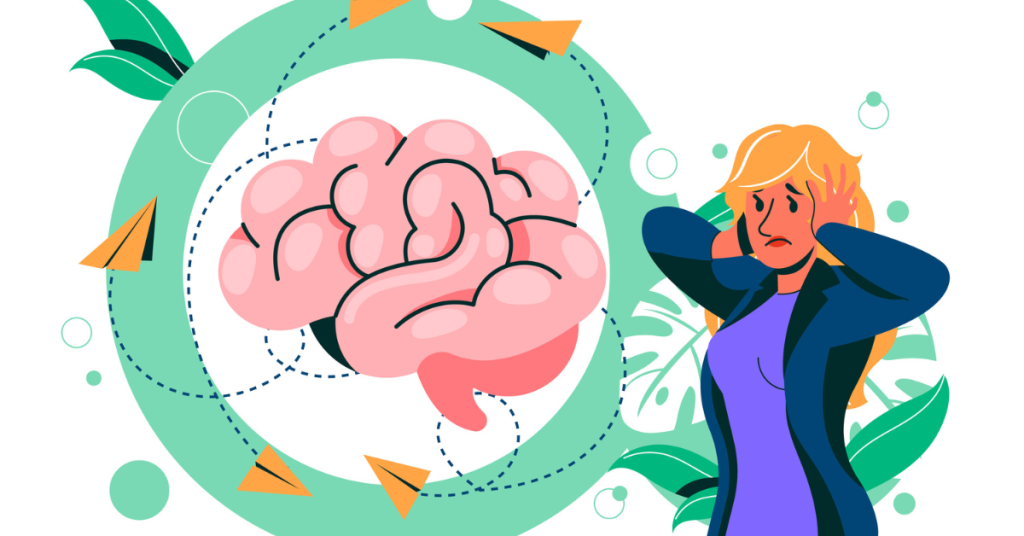
From writing emails and coding software to making complex strategic business decisions, AI has become our “Second Brain.” But there is a silent risk lurking beneath the surface of this convenience: Cognitive Offloading.
What is Cognitive Offloading?
Cognitive offloading is the use of physical or digital tools to reduce the mental effort required for a task. While using a calculator for long division is harmless, using AI to perform deep analysis, creative drafting, and moral reasoning is different.
When we offload the process of thinking, we slowly lose the capacity to think.
1. The Erosion of Critical Judgment
Recent studies in early 2026 have shown a “Silicon Echo” effect. When teams rely on AI to summarize meetings or suggest strategies, they tend to stop questioning the output. This is known as Automation Bias. If the AI says a project is unfeasible, we believe it. If the AI suggests a specific marketing tone, we adopt it. Over time, the human “gut feeling”—that subconscious pattern recognition built over years of experience—begins to atrophy. We aren’t leading anymore; we are just “approving” what a machine suggests.
2. The “Homogenization” of Ideas
AI is trained on existing data. It is, by definition, a look into the past. When everyone uses the same high-performing AI models to generate “creative” ideas, every company starts to sound, look, and act the same.
By depending on AI to think for us, we trade Innovation for Optimization. True breakthroughs come from “hallucinating” in a human way—connecting two unrelated dots that a logic-based transformer would never see. If you outsource your thinking, you outsource your competitive edge.
3. The Fragility of Dependency
Imagine a world where the “system” goes down for 48 hours. Could your team still draft a contract from scratch? Could your developers debug a complex legacy system without an AI assistant?
The danger of the “New Era” isn’t just that AI might become too smart; it’s that humans might become too reliant. We are building a digital skyscraper, but our foundational mental skills are becoming brittle.
How to Stay Sharp in the AI Era
At Techlogica, we believe technology should be a telescope, not a crutch. It should help you see further, not stop you from walking.
To prevent cognitive decline in your organization, we suggest three rules:
The “Human-First” Draft: Always spend 10 minutes brainstorming or outlining before you prompt an AI. Protect your original thought.
Verify, Don’t Just Accept: Treat AI output as a “junior intern’s work”—it needs a senior human eye to check for logic, bias, and soul.
Keep the “Mental Gym” Open: Encourage tasks that require deep, focused work without digital intervention.
Conclusion: Who is the Master?
AI is the most powerful tool ever created, but it lacks context, ethics, and lived experience. In this new era, the most successful leaders won’t be those with the best AI, but those who have the strongest minds to direct that AI.
Don’t let the machine do your thinking. Use it to do your tasks so you have more time to think for yourself.

