
Work-Life Balance and the Importance of Mental Health
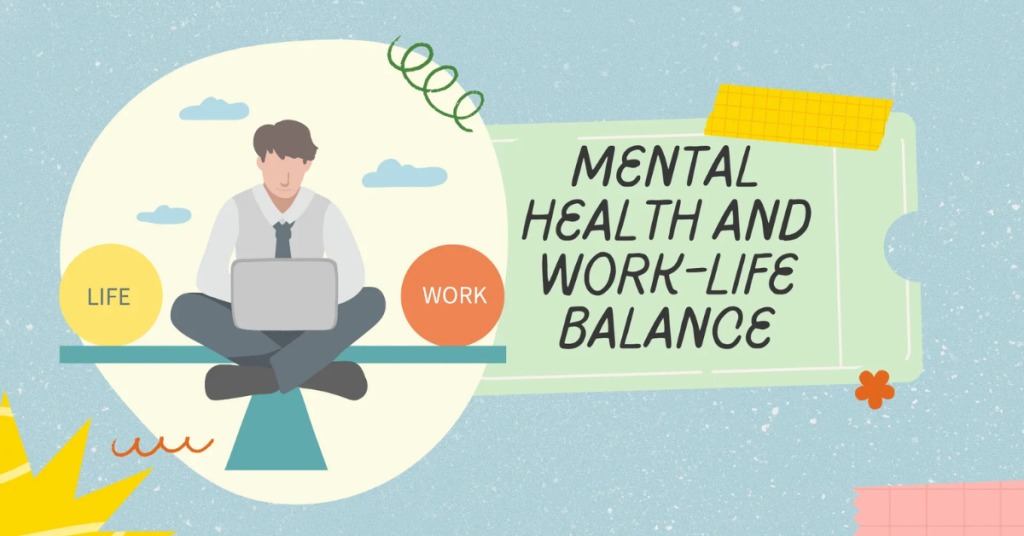
- By Vyshnavi
In today’s fast-paced and highly competitive world, maintaining a healthy balance between work and personal life has become more challenging than ever. With increasing workloads, tight deadlines, and constant digital connectivity, many professionals find themselves overwhelmed and mentally exhausted.
This is where work-life balance and mental health awareness become not just important—but essential.
What is Work-Life Balance?
Work-life balance refers to the ability to effectively manage professional responsibilities alongside personal life, including family, health, and leisure activities.
It is not about splitting time equally, but about creating a sustainable routine where neither work nor personal life suffers.
Why Work-Life Balance Matters
1. Improves Productivity
Employees who maintain a healthy balance are more focused, creative, and efficient. Overworking leads to burnout, which ultimately reduces performance.
2. Reduces Stress Levels
Continuous work pressure without breaks increases stress, which can affect both physical and mental health.
3. Enhances Job Satisfaction
When individuals feel they have time for both work and life, they are more satisfied and motivated in their roles.
4. Strengthens Relationships
Spending quality time with family and friends improves emotional well-being and builds stronger connections.
Understanding Mental Health
Mental health includes emotional, psychological, and social well-being. It affects how we think, feel, and act in daily life.
Ignoring mental health can lead to:
Anxiety
Depression
Burnout
Reduced productivity
Poor decision-making
The Connection Between Work-Life Balance and Mental Health
Work-life imbalance is one of the leading causes of mental health issues in professionals.
When work dominates life:
Stress increases
Sleep decreases
Personal happiness declines
On the other hand, a balanced lifestyle:
Promotes mental clarity
Reduces anxiety
Improves overall happiness
Signs of Poor Work-Life Balance
Feeling constantly tired or stressed
Lack of time for personal activities
Difficulty disconnecting from work
Reduced interest in hobbies
Irritability or mood swings
Recognizing these signs early is crucial.
Practical Tips to Maintain Work-Life Balance
✔ Set Clear Boundaries
Define your working hours and avoid extending work into personal time unnecessarily.
✔ Prioritize Tasks
Focus on what truly matters. Avoid overloading yourself with unnecessary tasks.
✔ Take Regular Breaks
Short breaks during work improve focus and reduce fatigue.
✔ Practice Self-Care
Exercise, meditation, and proper sleep are essential for mental well-being.
✔ Disconnect Digitally
Avoid constant notifications and emails after work hours.
✔ Seek Support
Talk to colleagues, friends, or professionals when feeling overwhelmed.
Role of Organizations
Companies also play a key role in promoting work-life balance by:
Offering flexible working hours
Encouraging time off
Supporting employee mental health programs
Creating a positive work environment
A balanced life leads to:
Better health
Greater productivity
Stronger relationships
Overall life satisfaction
Remember, taking care of your mind is just as important as achieving your goals.
Conclusion
Work-life balance and mental health are deeply connected and equally important for long-term success and happiness. While professional growth is important, it should never come at the cost of your well-being.


